
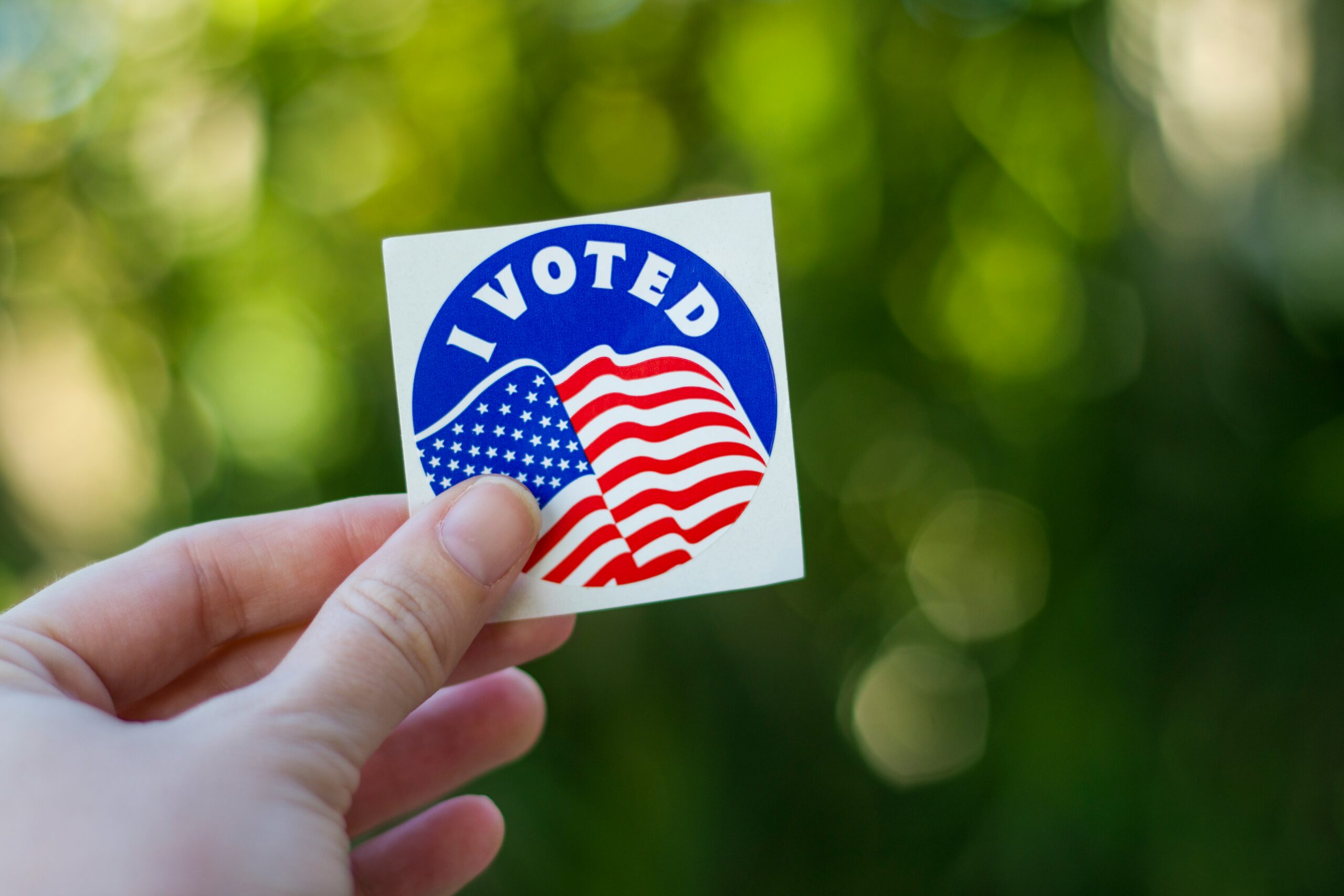
The US midterm elections resulted in historic wins by the Democrats, as they took back both chambers of Congress and won a majority of governorships. Since the 2024 election, many tech CEOs have strongly aligned themselves with the Republicans, shedding the veneer of Liberalism and embracing technofascism, and Tuesday’s results seem to be a repudiation on them nearly as much as on Donald Trump.
- Tech oligarchs spent an immense amount of money on races across the country and lost most of them. James Talarico won in Texas by 12 points – the first time Texas has had a Democratic senator in over 40 years – despite Elon Musk publicly spending over $150 million to support his opponent. In nearly every competitive race, the candidate supported by AI and Crypto PACs lost.
- Data centers were on the ballot. officially and unofficially, and did not do well.
- 41 local ballot initiatives were decided against data centers (either voting for bans or moratoriums or against approvals of data centers), half of which were in Ohio. Ohio has had a large data center push and his opponent’s support of data centers featured heavily in Senate race winner Sharrod Brown’s campaign ads.
- The surprise Democratic Senate win in South Carolina also seemed to have been influenced by data center resistance. Democratic victor Annie Andrews has heavily criticised her opponent for taking $4.5 million from a pro-data center PAC, with ads calling her “Data Center Darline”.
- According to exit polls, 56% of voters reported that AI and data centers were a crucial or major factor in their vote.
- Despite these wins, there were still disappointments.
- In Chicago, 72% of voters approved a non-binding advisory referendum to re-invest in “gunshot detection technology” more than two years after the city canceled their contract with ShotSpotter.
- California’s Proposition 40– the “Billionaire Tax” that would levy a one-time 5% tax on all assets over $1 billion that was heavily opposed by Silicon Valley–has yet to be called but is not predicted to pass.
- Despite not performing nearly as well as they wanted, pro-AI super PACs still did manage to back some successful candidates. There will still be plenty of AI boosterism in Congress.
The wider implications
- These results have tangibly shown what the general public of the US feels about AI and data centers. If politicians bend to pro-AI demands, they must do so knowing that it is contrary to their constituents’ wishes.
- Many of the Democratic victors of these races appear more in favor of regulating AI than their opponents. While they would still face resistance from the executive branch, there is a chance that this new Congress might be able to pass some amount of regulation.
- It is likely that following this shift in power some AI companies will focus their efforts on courting the Democrats. Many Democratic lawmakers are already likely to acquiesce to any demands from Silicon Valley, but one can only hope that the impact of the tech CEO’s blatant turn to the right during the 2024 presidential election will linger.
- The disappointments in Chicago and California show that the resistance towards data centers doesn’t necessarily translate to resistance to related issues.
What comes next?
- US Americans: The fight is far from over. We must ensure that lawmakers who promised to fight Big Tech actually stick to their word and push for meaningful regulation. We also must continue the local, grassroots organizing that allowed this wave to happen, and we must be prepared to keep working in face of the inevitable renewed attacks from AI boosters.
- The rest of the world: Take hope and organize. Fight technofascism in whatever way you can. Take what strategies that are relevant from these results and apply them in your local community – we can see now how local community activism can have a big impact.
Photo by Ashley Diane Worsham on Unsplash.